January 21, 2026
Choosing the right flooring can significantly enhance both the aesthetics and functionality of a space. This guide provides clear insights into three popular flooring options, such as wood, tile, and vinyl, helping homeowners make informed decisions. We'll cover factors such as durability, maintenance, design considerations, and professional flooring installation to ensure your flooring lasts for years while complementing your home. In addition, we'll discuss considerations that can make the process smoother, helping you feel confident in your choices and providing helpful context for planning your project from start to finish.
1. Evaluate Your Environment
Impact of Local Climate on Flooring Durability
Climate plays a key role in flooring performance. Wood flooring may expand or contract in areas with high humidity, while tile and vinyl are more resistant to moisture changes. Considering local weather patterns can help you choose a material that maintains its beauty and durability over time. Beyond moisture and temperature, other environmental elements such as seasonal changes and indoor heating or cooling can also subtly influence flooring behavior. Taking a thoughtful approach to how your home's environment interacts with each flooring type can help prevent surprises and support long-term satisfaction.
Influence of Moisture Levels on Flooring Longevity
Moisture can affect flooring longevity. Wood is more sensitive to water, making it less ideal for bathrooms or basements. Tile and vinyl perform well in moisture-prone areas, helping prevent damage and maintaining appearance. Proper subfloor preparation and moisture barriers can further protect your investment. Thinking through where water exposure may occur and planning for it can also make maintenance easier and preserve the look and functionality of your floors for years. Ensuring that moisture is managed effectively can also extend the lifespan of flooring and maintain a clean, safe environment for household use.
Effect of Sunlight Exposure on Flooring Appearance
Direct sunlight can fade flooring over time. Wood flooring may be more susceptible to discoloration, while tile and vinyl maintain their appearance better under sunlight. Using window treatments or UV-filtering options can help protect your flooring. Considering the orientation of your rooms and how natural light shifts throughout the day may also guide your choices, ensuring your flooring continues to complement your space even as sunlight patterns change over time. Sunlight exposure is a subtle yet important factor in preserving both color and finish, helping rooms retain their visual appeal throughout the year.
2. Plan Your Budget
Considerations of Material Costs Across Flooring Types
Material costs vary across wood, tile, and vinyl. Hardwood typically has a higher upfront cost, tile varies depending on the material, and vinyl offers a cost-effective solution. Assessing the price per square foot helps plan your budget accurately. Considering factors such as color, texture, and pattern can also influence material choices and provide flexibility in balancing cost with aesthetic preferences. Evaluating long-term value alongside initial expense can also help you select flooring that meets both design goals and financial considerations.
Impact of Installation Expenses on Overall Investment
Professional flooring installation ensures a quality finish and long-lasting performance. Wood and tile may require more labor-intensive installation, while vinyl is generally easier to install. Factoring in installation costs helps avoid surprises. Thinking ahead about labor needs, project timing, and any additional materials required can also simplify the budgeting process and reduce unexpected challenges during the project. Accounting for installation details ensures a smooth experience and helps protect your investment over time.
3. Compare Types of Wood Flooring
Characteristics of Solid and Engineered Wood Flooring
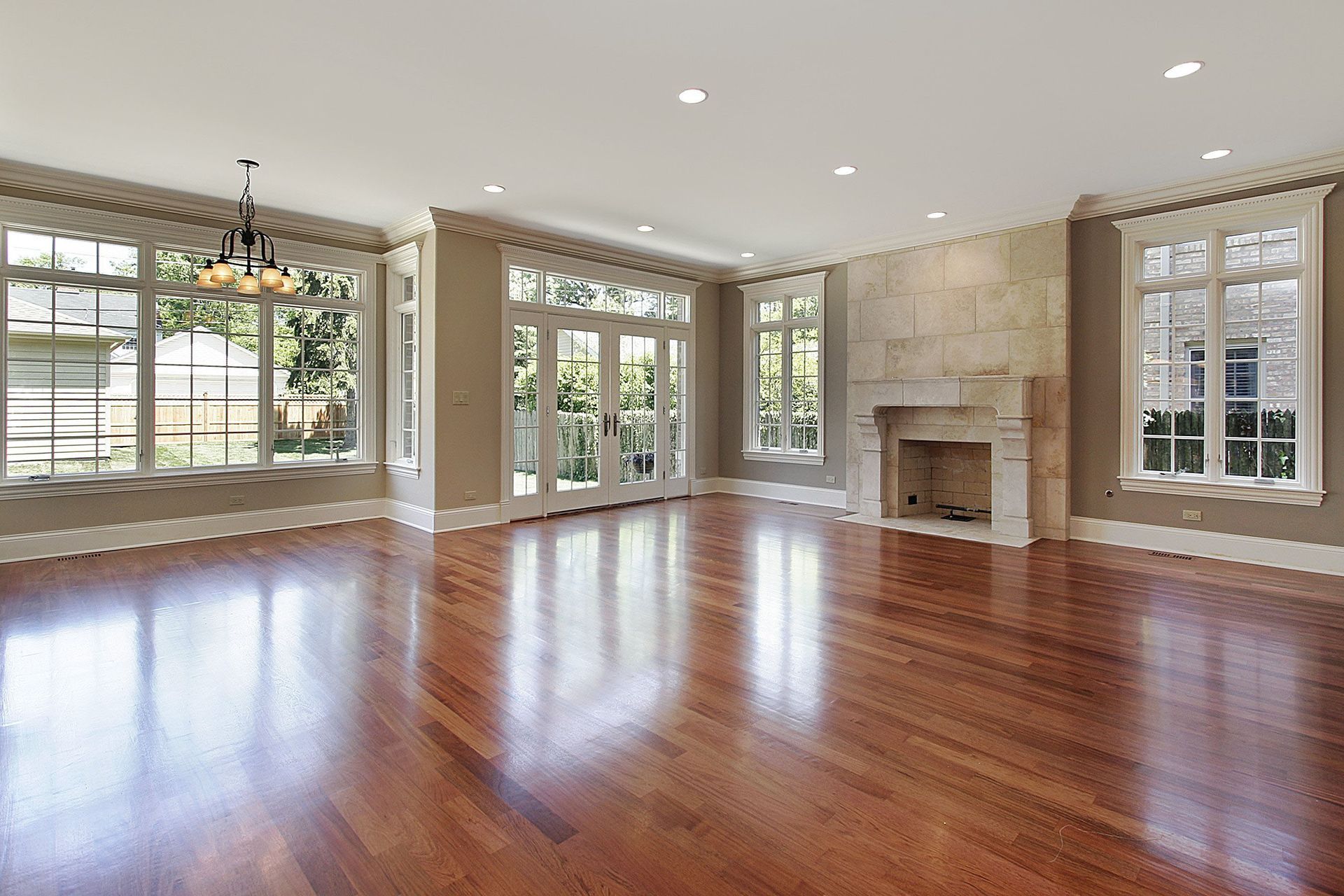
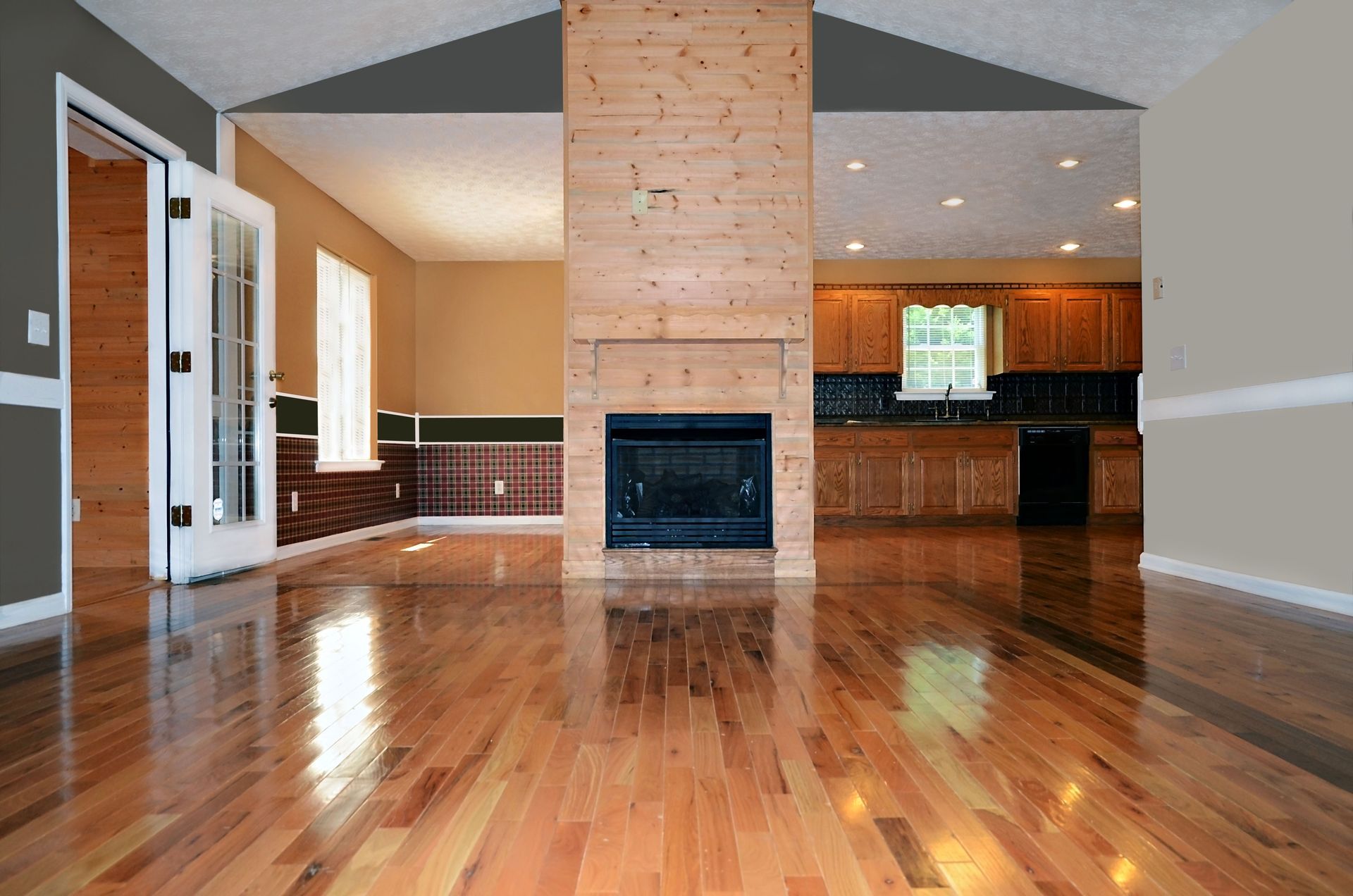
Wood options include solid hardwood and engineered wood. Solid hardwood provides a classic, natural look, while engineered wood offers enhanced stability in areas with varying moisture. Both bring warmth and elegance to any space. Each option also provides a range of finishes and textures, allowing homeowners to choose a style that integrates seamlessly with existing decor. Choosing the type that complements your room's lighting and furniture can further enhance the overall atmosphere of your home.
Durability and Maintenance Requirements of Wood Flooring
Wood floors can scratch or dent over time, but regular care including cleaning and refinishing helps maintain their beauty. Professional flooring installation ensures proper fit and long-term performance. Routine attention to minor wear and tear, along with preventative practices such as using furniture pads, can further extend the life of wood flooring and help maintain its visual appeal. Evaluating the expected longevity alongside maintenance needs supports an informed decision for durable and attractive flooring.
4. Examine Tile Flooring Options
Varieties of Ceramic, Porcelain, and Natural Stone Tile
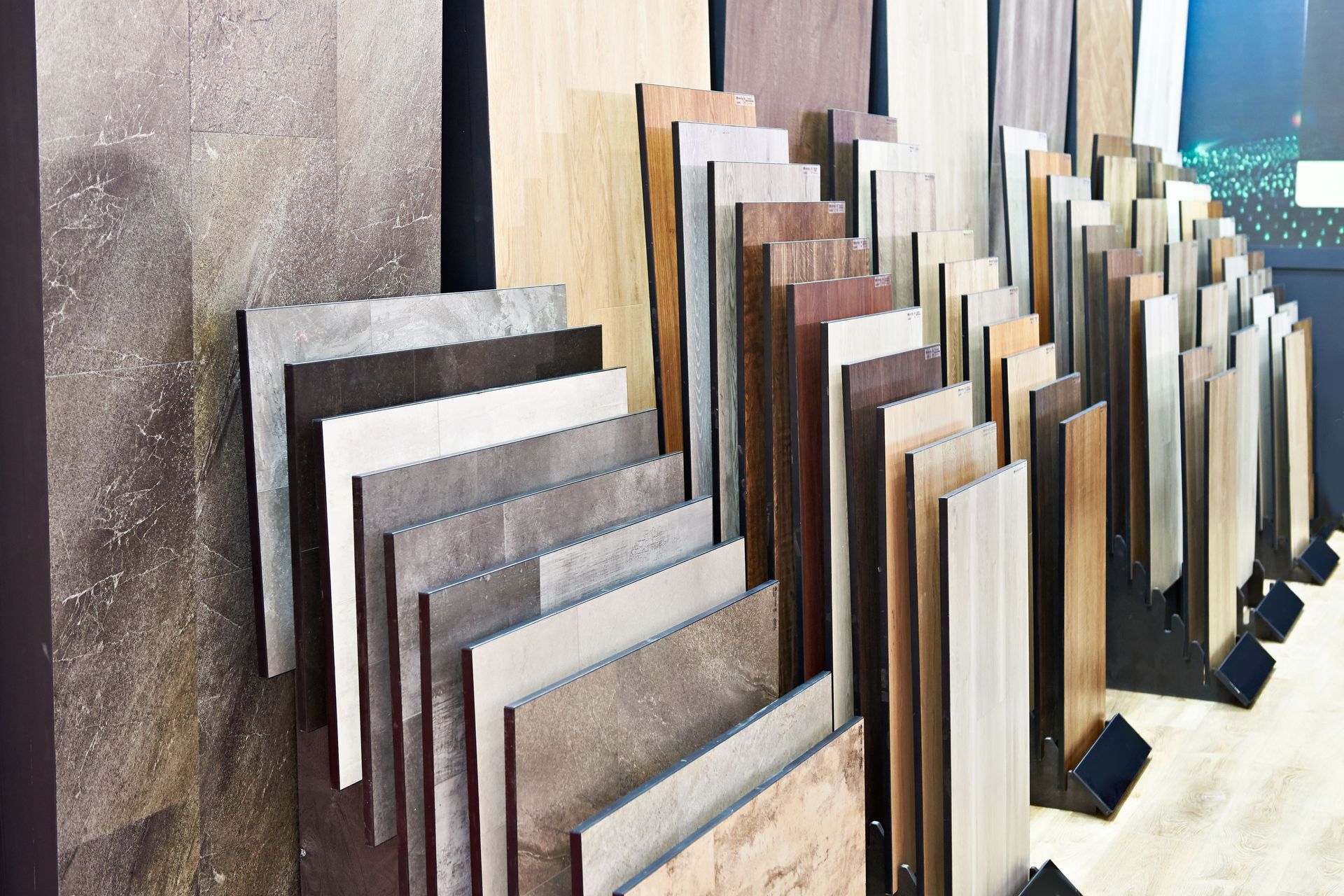
There are many tile options, like ceramic, porcelain, and natural stone. Ceramic and porcelain tiles are water-resistant and versatile, while natural stone offers a distinctive, high-end look. Tile selection also allows for a variety of textures and finishes that can subtly affect a room, adding warmth, brightness, or contrast depending on design choices. Considering the material's weight and installation requirements can also help ensure a smooth flooring installation process.
Benefits and Drawbacks of Tile Flooring in Daily Use
Tile is durable, moisture-resistant, and low-maintenance, making it ideal for kitchens, bathrooms, and high-traffic areas. While it can feel cooler underfoot, its longevity and design versatility make it a good choice. Choosing an option that complements your space can enhance visual flow and provide practical benefits without creating additional maintenance concerns. Additionally, tile can be paired with rugs or mats to increase comfort while maintaining durability and ease of cleaning.
5. Select the Appropriate Vinyl Flooring
Types of Vinyl Flooring and Their Design Flexibility
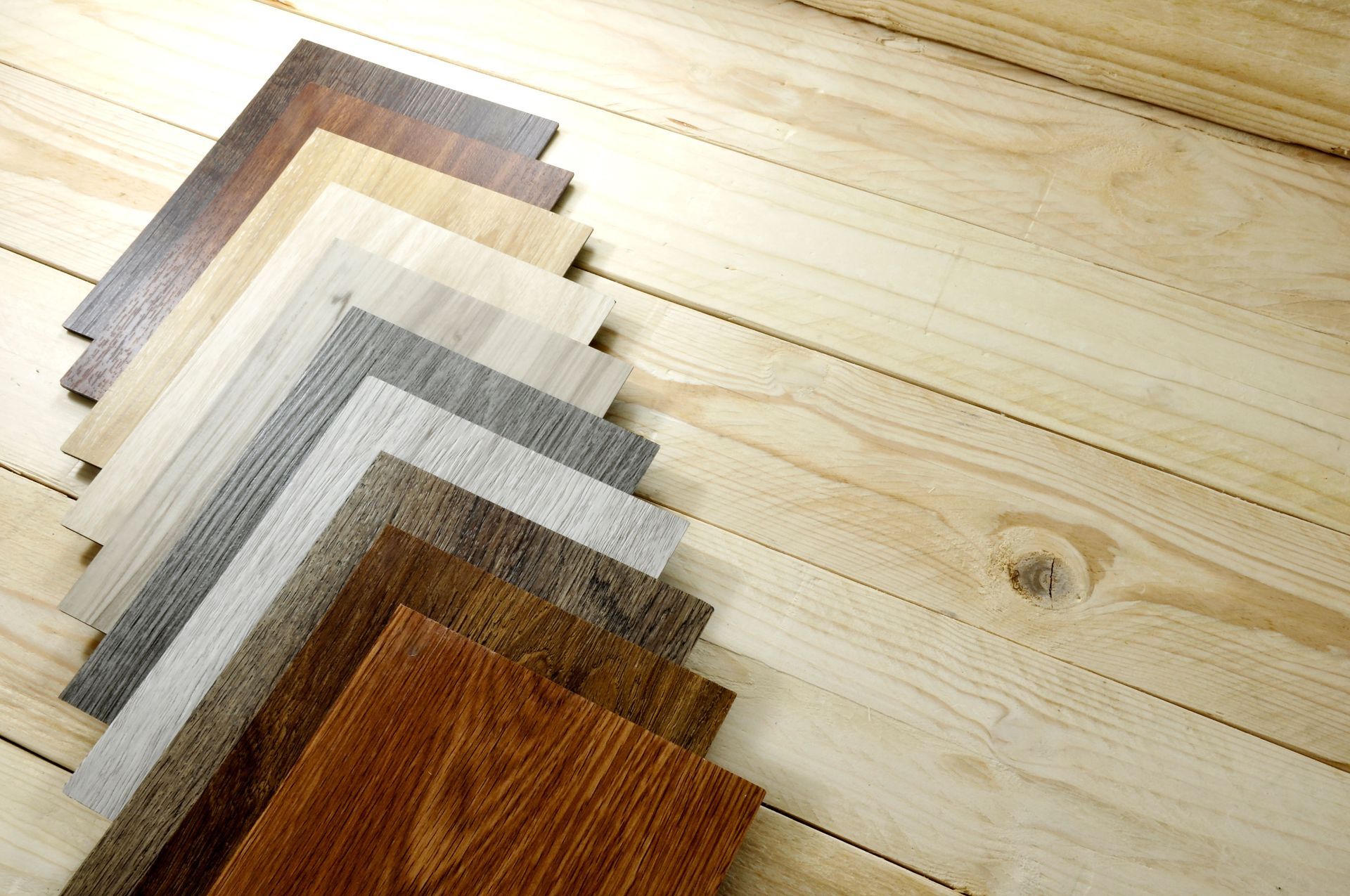
Vinyl comes in sheet vinyl, vinyl tiles, and luxury vinyl planks (LVP). Sheet vinyl provides a seamless look, vinyl tiles offer design flexibility, and LVP mimics the appearance of wood while remaining durable. Selecting the right type of vinyl can help match room functionality and design goals, while also supporting low-maintenance living. Proper selection also aids in long-term performance and contributes to a smooth flooring installation process.
Durability and Resilience of Vinyl Flooring in High-Traffic Areas
Vinyl resists scratches, dents, and moisture, making it suitable for kitchens, bathrooms, and high-traffic areas. Its flexibility also adds comfort underfoot. Thinking about potential wear and room activity can guide selection toward the format and thickness that best suit daily use. Incorporating durable materials also minimizes long-term maintenance requirements and supports a more comfortable living environment. According to Associated Weavers, carpet can reduce the sound of walking by 25 to 34 decibels, whereas laminate flooring reduces surface sounds by only 1 to 6 decibels.
6. Align Flooring Choices With Your Home
Alignment of Flooring With Household Lifestyle Needs
Flooring should suit your household's lifestyle, balancing maintenance, durability, and aesthetic appeal. Families with children or pets may prioritize easy-care options, while others may choose premium materials for style. Reflecting on your daily routines and long-term use helps ensure that flooring continues to meet your needs as circumstances evolve. Selecting flooring with consideration for lifestyle ensures it remains practical and enjoyable for years to come.
Alignment of Flooring With Overall Home Design
Thoughtful flooring installation contributes to the home's overall design. Selecting complementary colors, patterns, and textures helps create a cohesive and visually appealing interior. Considering room lighting, furniture, and wall finishes further ensures the flooring enhances the overall aesthetic of your space. Thoughtful design alignment also supports a balanced atmosphere, making the home inviting and harmonious.
Choosing the right flooring means considering your environment, budget, design style, and lifestyle. Understanding the qualities of wood, tile, and vinyl helps homeowners make decisions that improve both the look and functionality of their space. We offer professional flooring installation, expert product guidance, and design consultation to ensure lasting results. Homeowners can learn more about how Warehouse Flooring & Design can help every project succeed and create beautiful, functional floors.